

Carpal Tunnel Syndrome: Recognizing Early Signs & Effective Non-Surgical Management
Introduction
“I thought I’d have to give up my career. Manual Therapy Hospital helped me manage the pain and get back to creating.” – Anita Rai., Graphic Designer
Carpal Tunnel Syndrome (CTS) affects millions yearly, impacting office workers, artists, and caregivers. Early recognition and intervention are crucial to prevent worsening symptoms and potential nerve damage. At MT Hospital, our Hand & Nerve Institute specializes in cutting-edge diagnostics and personalized, non-surgical treatments designed to restore function and comfort.
In this blog, you’ll learn:
-
The hidden habits accelerating CTS (it’s not just typing!).
-
MT Hospital’s progressive approach: From early intervention to advanced non-surgical care.
-
Real patient experiences + 5 free tools to protect your hands daily.
Section 1: Carpal Tunnel Syndrome: More Than a “Typing Injury”
What’s Happening Inside Your Wrist?
-
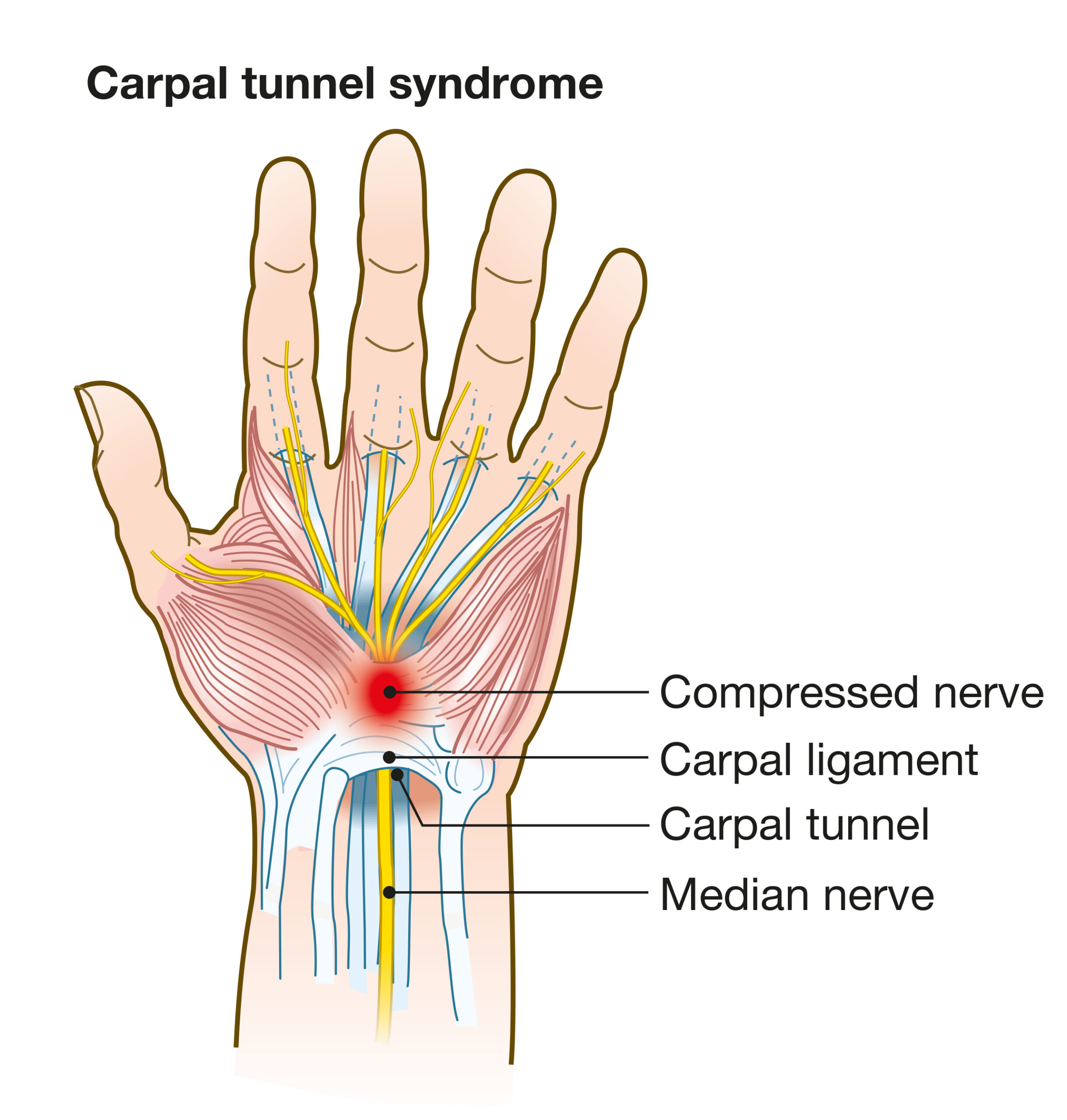
Anatomy 101: The median nerve gets compressed by swollen tendons or ligaments within the carpal tunnel.
-
Surprising Causes:
-
Pregnancy hormones.
-
Underactive thyroid.
-
Repetitive use of vibrating tools (e.g., power tools).
-
Early Warning Signs (Don’t Ignore These!):
-
Nighttime numbness or tingling (often relieved by shaking hands).
-
Weak grip strength (frequently dropping objects).
-
Pain or tingling radiating up the forearm.
-
Awkwardness or clumsiness in fine hand movements.
MT Hospital’s Diagnostic Edge:
-
Nerve Conduction Studies: Precisely measures nerve signal speed to confirm CTS and assess severity.
-
Ultrasound Imaging: Allows real-time visualization of the median nerve and surrounding structures to identify compression.
Section 2: MT Hospital’s Progressive Care Plan for CTS
Stage 1: Foundational Care & Lifestyle Modification (Mild CTS)
-
Night Wrist Splints: Holds wrists in a neutral position during sleep, relieving nighttime pressure.
-
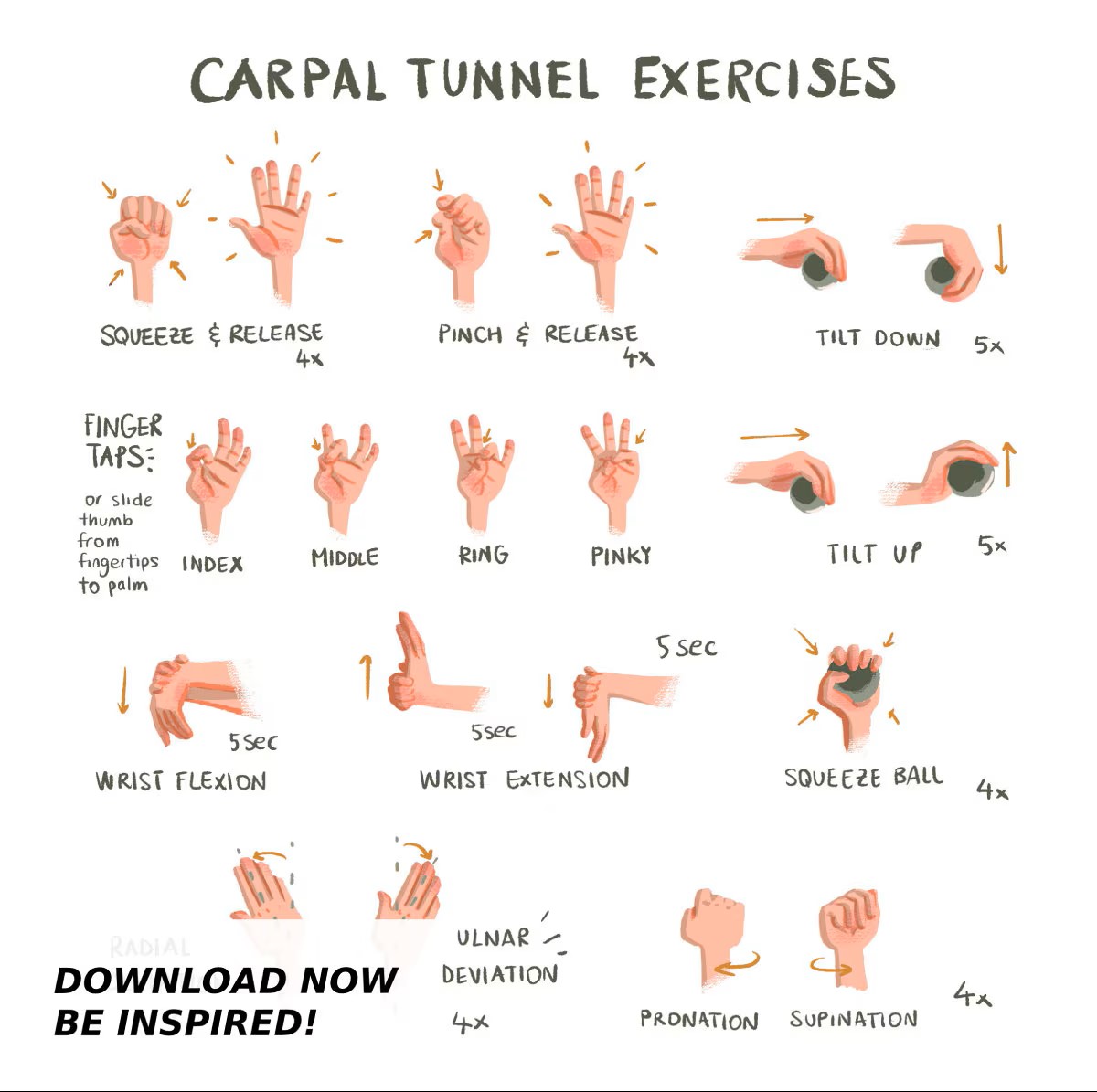
Nerve Gliding Exercises: Gentle movements to improve nerve mobility (video demo embedded).
-
Targeted Ergonomic Adjustments: Recommendations for split keyboards, voice-to-text software, monitor height, and chair positioning.
-
Activity Modification: Identifying and reducing aggravating activities.
Stage 2: Advanced Non-Surgical Interventions (Moderate CTS)
-
Cortisone Injections: Highly effective at reducing inflammation around the nerve, providing significant relief often lasting several months. Can be repeated if effective.
-
Shockwave Therapy: Uses targeted sound waves to stimulate healing in tendons and soft tissues within the carpal tunnel, reducing pressure on the nerve.
Patient Story Focused on Non-Surgical Management:
-
Anita’s Journey: Experienced increasing numbness and weakness, making graphic design painful.
-
Treatment at MT Hospital: Comprehensive ergonomic assessment, customized night splinting, nerve gliding exercises, and a cortisone injection.
-
Outcome: Significant reduction in pain and numbness within weeks, allowing her to continue her freelance career comfortably. Continues management with exercises and ergonomics.
Section 3: Proactive Protection: Preventing CTS Flare-Ups
-
The 20-20-20 Hand Rule: Every 20 minutes of hand activity, take 20 seconds to stretch your wrists and fingers.
-
Essential Ergonomic Upgrades:
-
Use a vertical or ergonomic mouse.
-
Ensure wrist rests are level with your keyboard (used for resting palms, not wrists while typing).
-
Maintain neutral wrist posture during all activities.
-
-
Balanced Hand Strength:
-
Grip: Gentle exercises like squeezing therapy putty.
-
Extension: Use rubber bands for finger stretches to work opposing muscles.
-
-
Manage Underlying Conditions: Work with your doctor to control factors like thyroid issues or diabetes that can contribute to CTS.
Section 4: Why MT Hospital Leads in Non-Surgical CTS Care
-
Specialized Hand Care Experts: Our team focuses on accurate diagnosis and comprehensive non-surgical management plans.
-
Holistic Approach: We address contributing factors like ergonomics, underlying health conditions (diabetes, hormonal imbalances), and activity patterns.
-
Advanced Diagnostics: Utilizing nerve studies and ultrasound ensures precise understanding of your condition.
-
Patient-Centered Support: Access to resources, education, and follow-up care to ensure successful management.
Conclusion
Carpal Tunnel Syndrome doesn’t have to control your life or career. By recognizing early signs and seeking expert care, effective non-surgical management can significantly reduce symptoms and protect hand function. MT Hospital is dedicated to providing personalized, advanced solutions to keep you active and pain-free.
Take Control of Your Hand Health Today
FAQ Section (Schema Optimized)
-
Q: Can CTS heal on its own?
A: Very mild, early-stage CTS might improve with rest and activity modification. However, persistent symptoms usually indicate the need for professional evaluation and management to prevent progression. -
Q: What if conservative treatments like splints and exercises don’t work?
A: If foundational care doesn’t provide sufficient relief, MT Hospital offers advanced non-surgical options like cortisone injections or shockwave therapy. Our specialists will assess your specific case and recommend the most appropriate next steps. -
Q: How long does it take for non-surgical treatments to work?
A: Relief can vary. Splints and ergonomic changes might help within days to weeks. Exercises take consistent practice. Cortisone injections often provide relief within a few days, potentially lasting months. Shockwave therapy typically involves several sessions over weeks. -
Q: Is CTS only caused by computer work?
A: No! While repetitive hand use is a common factor, CTS can also be triggered or worsened by pregnancy, certain medical conditions (like thyroid issues or diabetes), anatomy, vibrating tools, or even hobbies requiring prolonged wrist flexion. -
Q: How can I prevent CTS from getting worse?
A: Early intervention is key! Implement ergonomic changes, use splints as recommended, perform preventive exercises, manage underlying health conditions, and take frequent breaks during repetitive activities. Download our free prevention guide for detailed tips.
________________________________________
Ready to Take the First Step?
Visit Manual Therapy-M.T. Hospital — Nepal’s trusted pioneers in non-surgical pain relief.
New Baneshwor, Kathmandu 📞 +977-01-4622033 / 986-3336363
Dhobighat, Lalitpur 📞 +977-01-5188067 / 984-1200805
📧 [email protected] 🌐 https://www.themanualtherapy.com/
👉 Book a Free Back Pain Assessment today
>https://www.themanualtherapy.com/contact-us/