
Ultimate Guide to Back Pain Treatment in Nepal
Causes, Symptoms, Physiotherapy & Non-Surgical Recovery
Back pain is one of the most common health problems affecting people worldwide. In Nepal, increasing desk work, long travel hours, heavy lifting, and poor posture have led to a significant rise in spinal and musculoskeletal disorders.
Fortunately, many cases of back pain can be treated effectively without surgery through modern physiotherapy and rehabilitation techniques.
At Manual Therapy Hospital, specialists combine manual therapy, physiotherapy, chiropractic techniques, and rehabilitation exercises to help patients recover from spine-related conditions naturally and safely.
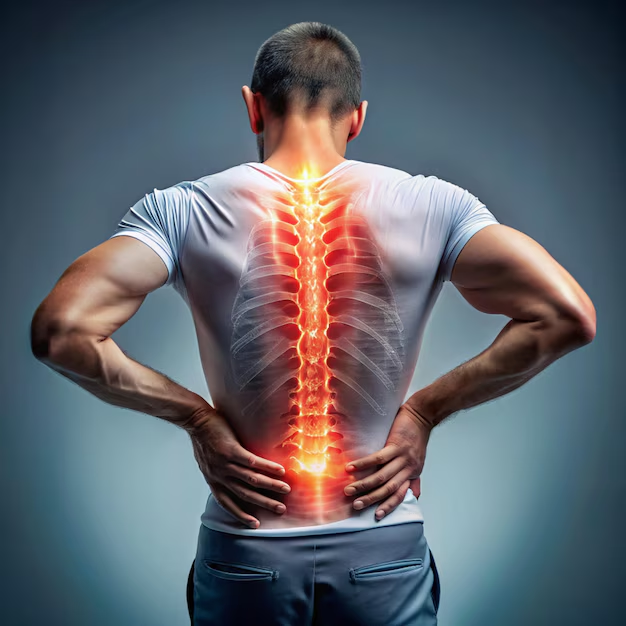
Understanding Back Pain
Back pain can occur in different areas of the spine:
Cervical Spine (Neck)
Pain and stiffness in the neck often caused by poor posture, mobile phone usage, or degenerative conditions.
Thoracic Spine (Upper Back)
Pain in the middle of the back due to muscle tension, poor posture, or injury.
Lumbar Spine (Lower Back)
The most common area for back pain because it supports most of the body’s weight.
Lower back pain can interfere with daily activities, work productivity, and overall quality of life.
Common Causes of Back Pain
Poor Posture
Prolonged sitting, especially while working on computers or smartphones, can strain spinal muscles.
Slipped Disc
A herniated or bulging disc can compress nearby nerves, causing severe pain and sciatica.
Muscle Strain
Sudden lifting, twisting movements, or sports injuries can strain muscles and ligaments.
Degenerative Conditions
Conditions such as arthritis or spinal degeneration may cause chronic pain.
Sedentary Lifestyle
Lack of physical activity weakens muscles that support the spine.
Symptoms That Should Not Be Ignored
Back pain symptoms can vary depending on the cause.
Common symptoms include:
-
Persistent lower back pain
-
Pain radiating down the leg (sciatica)
-
Numbness or tingling
-
Muscle weakness
-
Difficulty bending or standing
If symptoms persist for several days or worsen, professional evaluation is recommended.
How Physiotherapy Treats Back Pain
Physiotherapy focuses on restoring movement and strengthening the muscles that support the spine.
Modern physiotherapy techniques include:
Manual Therapy
Hands-on techniques used to restore joint mobility and relieve pain.
Techniques may include:
-
Soft tissue mobilization
-
Myofascial release
-
Trigger point therapy
These techniques help release tight muscles and improve circulation.
Therapeutic Exercises
Customized exercises strengthen the core muscles that support the spine.
Benefits include:
-
Improved spinal stability
-
Reduced risk of injury
-
Better posture
Electrotherapy
Electrical stimulation can help reduce pain and inflammation while promoting tissue healing.
Posture Correction
Physiotherapists teach patients proper sitting, standing, and lifting techniques to prevent recurrence of pain.
Non-Surgical Treatments for Back Pain
Most back pain conditions can be treated without surgery.
Non-surgical treatment options include:
-
Manual therapy
-
Physiotherapy rehabilitation
-
Chiropractic spinal adjustments
-
Dry needling
-
Cupping therapy
-
Posture correction programs
These approaches focus on treating the root cause of pain rather than only masking symptoms.
PRP Therapy for Spine and Joint Problems
Platelet-Rich Plasma (PRP) therapy is an advanced regenerative treatment used in modern rehabilitation medicine.
PRP therapy uses healing components from the patient’s own blood to stimulate tissue repair and reduce inflammation.
PRP therapy may be beneficial for:
-
Chronic joint pain
-
Ligament injuries
-
Degenerative joint conditions
-
Sports injuries
Many athletes also use PRP therapy to speed recovery from injuries.
Preventing Back Pain
Prevention plays an important role in maintaining spinal health.
Helpful tips include:
-
Maintain good posture
-
Avoid prolonged sitting
-
Strengthen core muscles
-
Use ergonomic furniture
-
Stay physically active
Regular physiotherapy assessments can also help detect posture problems early.
When Should You See a Physiotherapist?
You should consult a physiotherapy specialist if:
-
Back pain lasts more than one week
-
Pain interferes with daily activities
-
Pain radiates down the legs
-
You experience numbness or weakness
Early treatment can significantly improve recovery outcomes.
Why Choose Manual Therapy Hospital
Manual Therapy Hospital is recognized for providing advanced ortho-neuro rehabilitation services in Kathmandu.
Key strengths include:
✔ Evidence-based physiotherapy treatments
✔ Specialized manual therapy techniques
✔ Experienced orthopedic and rehabilitation specialists
✔ Non-surgical pain management approach
✔ Personalized rehabilitation programs
The hospital’s mission is to provide minimally invasive treatment options that reduce reliance on pain medication and surgery.
Your Path to Pain-Free Movement
Back pain does not have to limit your life.
With the right combination of physiotherapy, rehabilitation, and lifestyle changes, most patients can regain mobility and return to normal activities.
If you are experiencing persistent back pain, early treatment can make a significant difference.
Visit Manual Therapy Hospital in Kathmandu to receive professional evaluation and personalized rehabilitation care.
📞 For Appointments and Enquiries
📍 Dhobighat, Lalitpur
01-5188067
9851440805
📍 New Baneshwor, Min Bhawan
01-4622033
9863336363