
Postpartum Back & Pelvic Pain in Nepal: Safe, Non-Surgical Relief with Manual Therapy for New Moms (2026 Comprehensive Guide)
After childbirth, many new mothers in Nepal experience lingering postpartum back pain and pelvic girdle pain (PGP), which can make everyday tasks like lifting the baby, breastfeeding, or household chores painful and exhausting. Studies show that pregnancy-related low back pain (LBP) and PGP affect a significant portion of Nepalese women during pregnancy (often high prevalence with severe pain intensity but low reported disability), and while most resolve within 3 months postpartum, 8–20% persist longer—especially with cultural factors like heavy lifting soon after delivery.
At Manual Therapy-M.T. Hospital, Nepal’s pioneer in manual therapy since 2068 BS (2011 AD), we specialize in safe, evidence-based, non-surgical care to restore pelvic alignment, strengthen core muscles, and help moms regain confidence and mobility naturally—no heavy medications or invasive procedures needed.
Why Postpartum Back & Pelvic Pain Is Common in Nepal
During pregnancy, hormonal changes (relaxin) loosen ligaments, weight gain shifts posture, and the growing uterus strains the lower back and pelvis. Delivery adds trauma to the sacroiliac joints (SIJ), pubic symphysis, and surrounding muscles. In Nepal, factors worsen this:
- High diabetes/thyroid prevalence in urban areas (Kathmandu/Lalitpur/Pokhara)
- Cultural norms: Early heavy lifting, carrying baby without support, limited rest
- Sedentary recovery mixed with sudden activity
- Previous back pain or multiparity increases risk
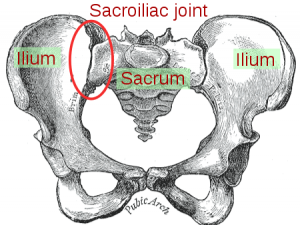
Research on Nepalese pregnant women shows high pain reports, with PGP often involving the SIJ or symphysis pubis.
Here’s a diagram illustrating common PGP locations and sacroiliac joint involvement:
Another view of pelvic pain patterns postpartum:

Key Symptoms to Recognize
- Sharp or aching low back pain, often one-sided near the SIJ (posterior iliac crest to gluteal fold)
- Pelvic girdle pain: Groin, inner thigh, or tailbone (coccydynia) discomfort
- Pain with walking, stairs, turning in bed, or single-leg activities
- Diastasis recti (abdominal separation) contributing to instability
- Fatigue, mood impacts, or reduced daily function
If pain persists beyond 6–12 weeks postpartum, seek expert assessment—early intervention prevents chronic issues.
Safe, Non-Surgical Treatments at MT Hospital
Our approach follows global guidelines (e.g., emphasizing muscle function screening, specific stabilization) and integrates manual therapy with physiotherapy:
- Gentle Pelvic & SIJ Mobilization: Controlled movements to restore joint play and reduce stiffness—safe postpartum.
- Soft Tissue Release & Myofascial Techniques: Targets tight hip flexors, glutes, and pelvic floor for tension relief.
- Core Stabilization Focus: Progressive activation of transverse abdominis, pelvic floor, and multifidus (evidence shows specific stabilizing exercises outperform general care).
- Postural & Ergonomic Advice: For breastfeeding, baby-carrying, and daily lifting.
- Pelvic Belts/Support (if needed): Temporary aid for instability.
Evidence supports manual therapy + exercises for reducing pain and improving function in postpartum PGP/LBP.
Recommended Home Exercises (Start Gently, Under Guidance)
- Pelvic Tilts (on back or all fours): Flatten lower back against surface, hold 5–10 sec, 10 reps.
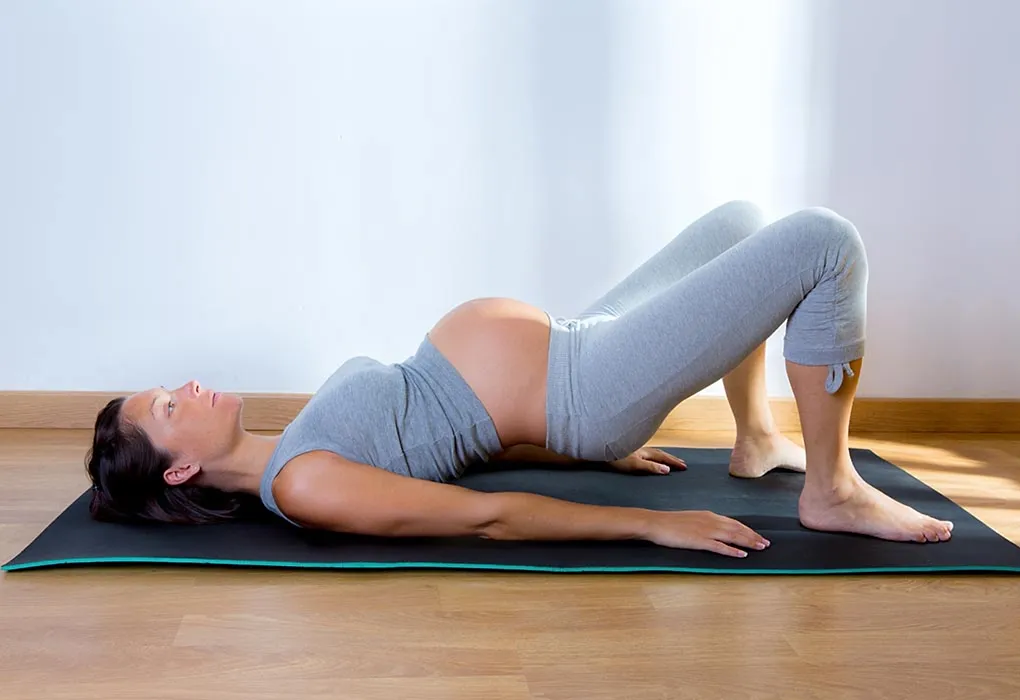
- Glute Bridges: Lie on back, lift hips while squeezing glutes—builds posterior chain.
- Bird-Dog: On all fours, extend opposite arm/leg for stability.
Pelvic tilt demonstration:
Glute bridge example:

Progress slowly—avoid if painful. Combine with breathing to engage pelvic floor.
Prevention & Long-Term Tips
- Use supportive pillows for feeding/sleeping
- Avoid asymmetrical carrying; use slings wisely
- Maintain gentle walks and core work
- Screen for mood issues
Many moms return to full activities in weeks with consistent care.
FAQs
- How long does postpartum PGP last? Most resolve in 3–6 months; persistent cases benefit from therapy.
- Is manual therapy safe right after delivery? Yes—gentle techniques tailored to the recovery stage.
Ready for Personalised Postpartum Relief? Contact Nepal’s trusted pioneers today!
New Baneshwor, Kathmandu 📞 +977-01-4622033 / 986-3336363
Dhobighat, Lalitpur 📞 +977-01-5188067 / 9851440805