
Frozen Shoulder in Nepal: Stages, Causes & How Manual Therapy Restores Full Mobility Without Surgery
Frozen shoulder (adhesive capsulitis) is a common, painful condition that limits shoulder movement, affecting many in Nepal due to desk jobs, diabetes, or post-injury stiffness. It can last months to years if untreated—but at Manual Therapy-M.T. Hospital, Nepal’s pioneer in manual therapy since 2068 BS, we help patients regain full range without surgery.
Understanding the Stages of Frozen Shoulder
The condition progresses in three phases:
- Freezing Stage (2–9 months): Increasing pain and gradual loss of motion.
- Frozen Stage (4–12 months): Pain eases, but stiffness peaks—making daily tasks like reaching overhead difficult.
- Thawing Stage (5–24 months): Slow improvement in mobility.
Early intervention shortens this timeline significantly.
Here’s a clear visual of the stages:

Common Causes in Nepal
- Diabetes (prevalent in urban areas like Kathmandu)
- Prolonged immobility after injury or surgery
- Age (40–60s), poor posture, or repetitive strain
How Manual Therapy Restores Mobility
Our evidence-based approach avoids surgery:
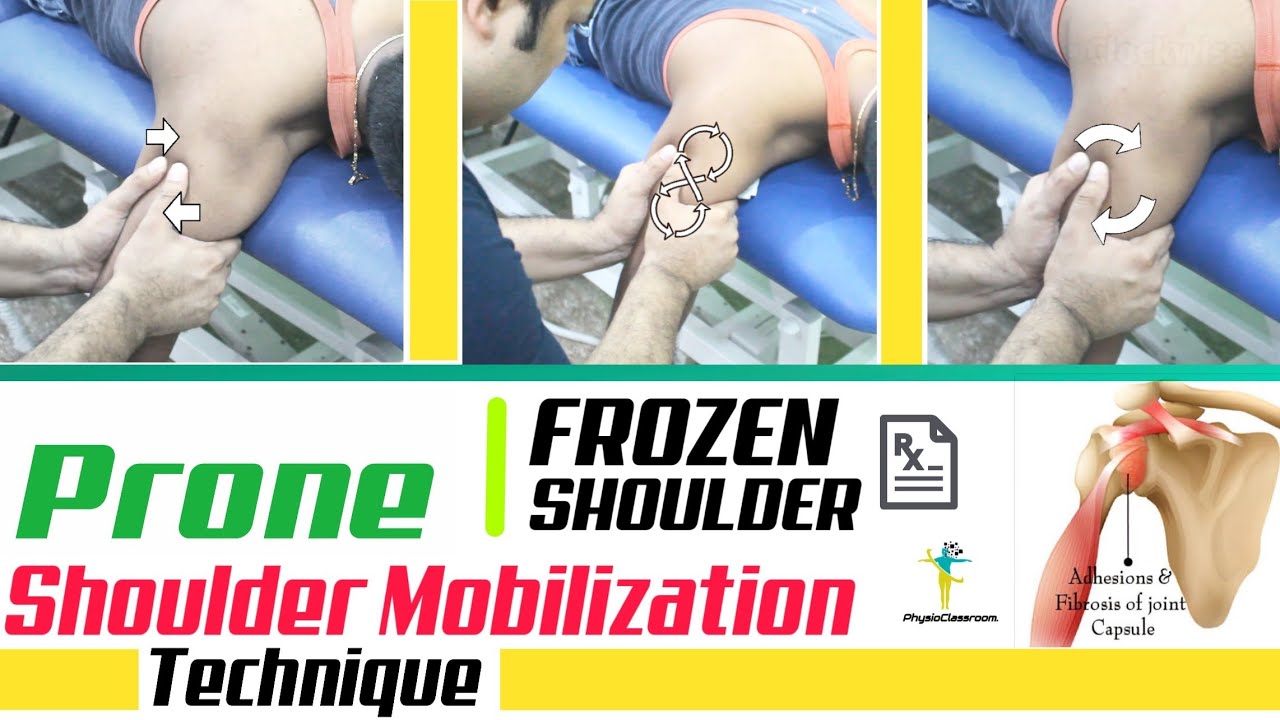
- Joint mobilization — Gentle, controlled movements to break adhesions.
- Soft tissue release — Targets tight capsules and muscles.
- Stretching & strengthening — Combined with physiotherapy for lasting results.
Patients often see 50–90% improvement in 6–12 weeks.
Watch this prone mobilization technique in action:
Many regain full function like this:

Don’t wait—early treatment prevents prolonged suffering.
Book Your Assessment Today!
New Baneshwor, Kathmandu 📞 +977-01-4622033 / 986-3336363
Dhobighat, Lalitpur 📞 +977-01-5188067 / 984-1200805