
Sciatica Pain Management Without Surgery: Root Causes, Manual Therapy Approaches, and Sciatic Nerve Glides in Kathmandu
If you’re searching for “sciatica treatment in Kathmandu” or “non-surgical sciatica relief Nepal,” and dealing with that sharp, shooting pain down your leg, know that you’re among many in Kathmandu facing this issue. Sciatica often stems from urban desk jobs, heavy trekking loads, traffic-related strains, or age-related changes—common in Nepal’s mix of sedentary work and adventure lifestyles. At The Manual Therapy in Kathmandu, we focus on non-surgical sciatica management using evidence-based manual therapy, nerve mobilization techniques, and customized exercises. This in-depth guide explores true sciatica causes, symptoms, effective manual therapy options (including sciatic nerve glides), recovery expectations, and prevention strategies to help you reclaim pain-free movement.
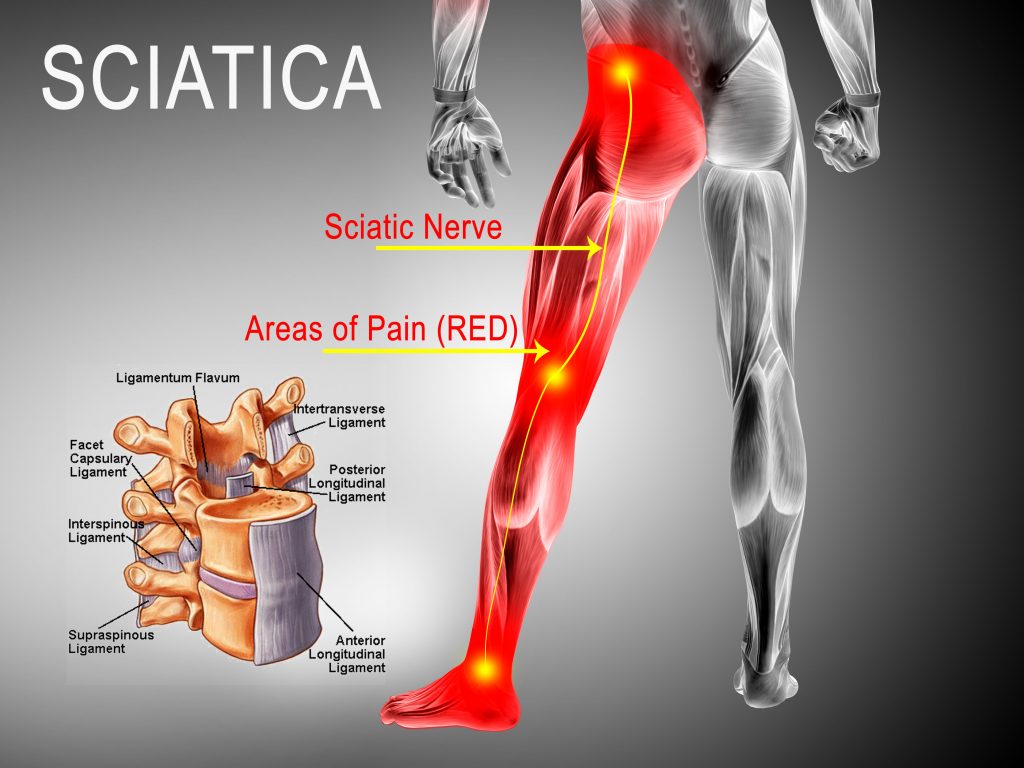 What is Sciatica? Understanding True Sciatica vs. Similar Conditions
Sciatica refers to pain radiating along the sciatic nerve—the body’s longest nerve, running from the lower back through the hips, buttocks, and down each leg. It’s a symptom, not a diagnosis, typically caused by compression or irritation of the nerve roots in the lumbar spine (L4-S3).
True sciatica (radiculopathy) differs from piriformis syndrome (a common mimic):
- True sciatica: Originates from spinal issues like herniated discs, spinal stenosis, or spondylolisthesis, causing pain starting in the lower back and radiating down the leg, often with numbness or weakness.
- Piriformis syndrome: Involves the piriformis muscle in the buttock compressing the sciatic nerve, leading to more localized buttock pain that worsens with sitting or hip rotation, with less lower back involvement.
In Kathmandu, many cases blend both (e.g., desk work tightens piriformis while trekking aggravates discs). Accurate diagnosis at our clinic prevents misdirected treatments. Evidence from systematic reviews shows physiotherapy and manual therapy effectively reduce sciatica pain and improve function, often better than medications alone.
Common Root Causes of Sciatica in Kathmandu Residents
Sciatica affects up to 40% of people at some point, with higher risks in Nepal due to lifestyle factors:
- Herniated or Bulging Discs: Most common cause—disc material presses on nerve roots, often from lifting heavy loads (e.g., during festivals or trekking) or poor posture.
- Spinal Stenosis: Narrowing of the spinal canal, common in older adults from degenerative changes.
- Spondylolisthesis: Vertebra slippage, exacerbated by repetitive strain.
- Piriformis Syndrome or Muscle Imbalances: Tight piriformis from prolonged sitting in offices or vehicles in Kathmandu traffic.
- Degenerative Changes: Age-related wear, arthritis, or bone spurs.
- Trauma or Overuse: Falls, accidents, or post-trek overload.
Early identification of the root cause allows targeted non-surgical sciatica treatment at The Manual Therapy.
Recognizing Symptoms of Sciatica
Key signs include:
- Sharp, burning, or electric-shock-like pain from the lower back or buttock down one leg (rarely both).
- Pain worsening with sitting, coughing, sneezing, or bending.
- Numbness, tingling, or muscle weakness in the leg or foot.
- Difficulty standing from a seated position or walking long distances.
- In severe cases: Loss of bladder/bowel control (emergency—seek immediate care).
If symptoms last over a week or include weakness, professional sciatica pain management in Kathmandu is essential to avoid chronic issues.
Manual Therapy Approaches for Sciatica Relief at The Manual Therapy
Our non-invasive methods draw from evidence (e.g., studies in PMC and JOSPT) showing manual therapy plus exercises reduce pain by 50-70% in many cases, often outperforming rest or drugs. Techniques are tailored to your cause and stage:
1. Lumbar Joint Mobilization and Manipulation
Gentle oscillatory or high-velocity thrusts to improve spinal alignment, reduce disc pressure, and relieve nerve irritation. Effective for disc-related sciatica; we use graded techniques for safety.
2. Soft Tissue Mobilization and Myofascial Release
Targets tight muscles (e.g., piriformis, hamstrings, erector spinae) to decrease compensatory tension. Cross-friction or deep tissue work eases buttock and leg discomfort.
3. Sciatic Nerve Glides (Neurodynamic Mobilization)
Key for nerve mobility—gentle sliding movements to “floss” the nerve and reduce adhesions:
- Seated Sciatic Nerve Glide: Sit with legs extended; slowly flex/extend the ankle while tilting the head back/forward. Perform 10 reps, 3-5x/day.
- Supine Nerve Slider: Lie on back, pull one knee to chest, then straighten the leg while pointing/flexing the foot. Avoid if it increases leg pain sharply. These “nerve glides” improve nerve excursion, backed by research for reducing sciatica symptoms.
4. McKenzie Method Extensions
Directional preference exercises (e.g., prone press-ups or standing extensions) centralize pain (move it toward the spine, a good sign). Popular for disc-related sciatica—start lying face-down, prop on elbows, progress to full press-ups. Do 10 reps every 2 hours if it helps.
5. Dry Needling and Trigger Point Therapy
Releases muscle knots contributing to nerve compression, especially in piriformis cases.
6. Integrated Physiotherapy
Core strengthening (e.g., bird-dog, bridges), posture correction, and ergonomic advice tailored to Kathmandu life.
Patients often notice reduced leg pain after 4-8 sessions, with full protocols spanning 6-12 weeks.
Benefits of Non-Surgical Sciatica Management
- Significant Pain Relief: Avoid opioids or injections; natural reduction in symptoms.
- Improved Function: Better walking, sitting, and trekking ability.
- Faster Return to Activity: Evidence supports quicker recovery vs. passive approaches.
- Prevention of Surgery: Most cases resolve conservatively—ideal for Nepal’s active population.
- Holistic Care: Addresses lifestyle factors for long-term results.
Local example: A 38-year-old Kathmandu trekker with disc-related sciatica regained pain-free hiking after our manual therapy and nerve glide program.
Prevention Tips for Sciatica in Kathmandu
- Maintain good posture during desk work or driving.
- Use proper lifting techniques (bend knees, not back).
- Stretch hips and hamstrings daily—try piriformis stretches.
- Strengthen core with exercises like planks.
- Take breaks during long sits; walk after treks.
- Seek early care for back pain to prevent nerve issues.
For “sciatica exercises at home,” start gentle nerve glides or McKenzie moves, but consult us first.
FAQs on Sciatica Treatment in Kathmandu
How long does sciatica last without treatment?
Weeks to months, but chronic cases persist years—early manual therapy shortens it.
Is manual therapy safe for sciatica?
Yes—gentle, evidence-based techniques by trained therapists minimize risks.
Can sciatica be cured without surgery?
Yes—80-90% improve with conservative care like ours.
What’s the difference between sciatica and piriformis syndrome?
Sciatica often starts in the back with radiation; piriformis is more buttock-focused—our diagnostics clarify.
End Sciatica Pain Without Surgery in Kathmandu
Sciatica doesn’t have to sideline your life in Kathmandu—whether from discs, stenosis, or muscle issues, non-surgical sciatica relief through manual therapy, nerve glides, and targeted exercises works wonders. At The Manual Therapy, our expert team helps you move freely again. Stop searching for “sciatica treatment Kathmandu“—contact our Baneshwor or Dhobighat clinic today for a personalized assessment. Book your appointment now and take the first step toward lasting relief!
Visit Manual Therapy-M.T. Hospital — Nepal’s trusted pioneers in non-surgical pain relief.
New Baneshwor, Kathmandu 📞 +977-01-4622033 / 986-3336363
Dhobighat, Lalitpur 📞 +977-01-5188067 / 984-1200805